If you’re planning to buy or sell a home, the purchase price is only part of what you’ll see on closing day. Closing costs in Oklahoma are the fees and prepaid items required to finalize the transaction—everything from lender charges to title work to taxes and insurance.
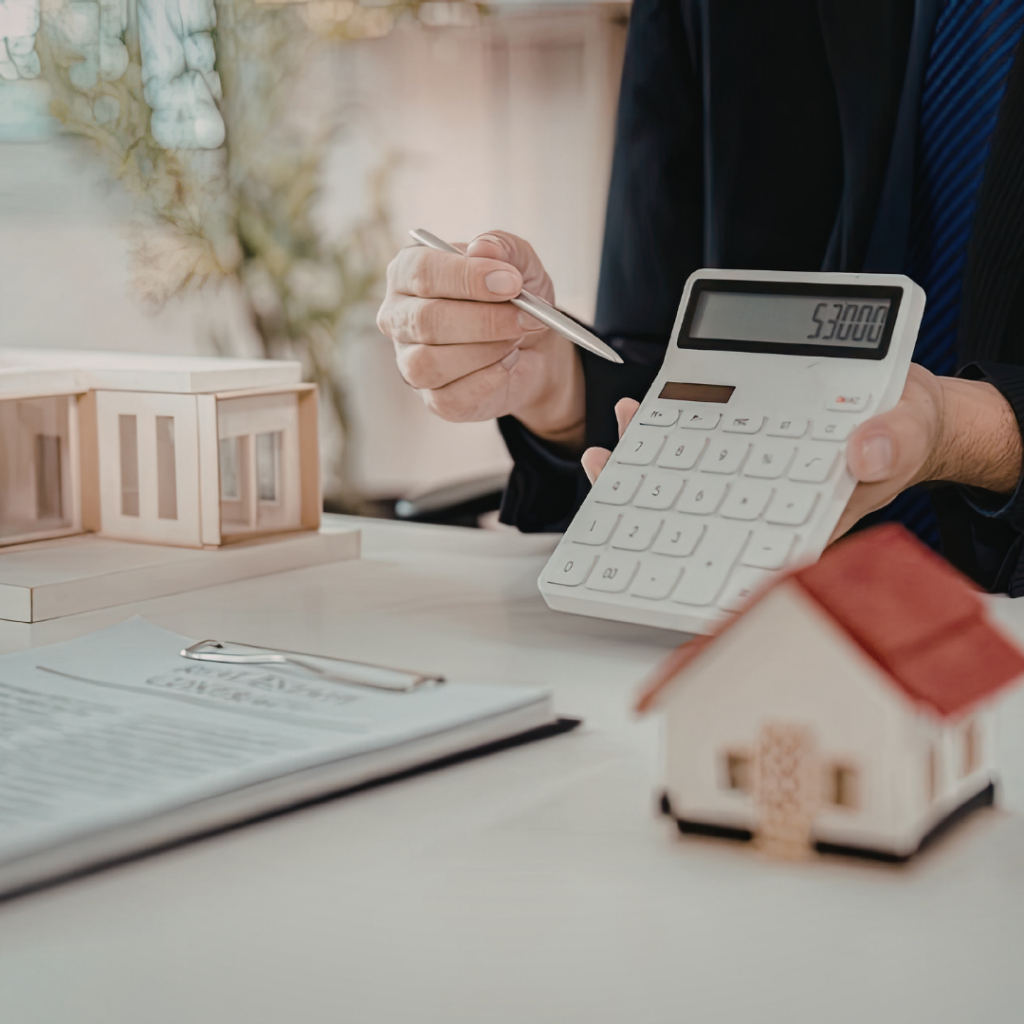
Most buyers ask me two questions right away:
- How much are closing costs in Oklahoma?
- Who pays them—buyer or seller?
Let’s walk through it in a clear, practical way so you can budget confidently and avoid surprises at the closing table.
What Are Closing Costs in Oklahoma?
Closing costs are the collection of expenses paid to complete a real estate transaction. They cover the work involved in verifying the home’s legal status, funding the loan, recording documents, and setting up accounts like escrow.
Think of closing costs as falling into three buckets:
- Loan-related costs (charged by the lender to create the mortgage)
- Third-party services (appraisal, title, escrow/settlement)
- Prepaids (items you pay upfront, like homeowners insurance and daily interest)
Because these costs vary by loan type, lender, county, and contract terms, there isn’t one fixed number that fits everyone.
How Much Are Closing Costs in Oklahoma?
A common estimate is:
- 2% to 5% of the purchase price
So on a $250,000 home, that could look like:
- 2% = $5,000
- 5% = $12,500
That range is wide for a reason. Your “cash to close” can change depending on:
- Whether you’re escrowing taxes and insurance
- Your loan program (Conventional, FHA, VA, USDA)
- Whether you pay discount points to lower your rate
- The time of month you close (affects prepaid interest)
- Seller concessions or lender credits
What’s Included in Closing Costs in Oklahoma?
Below are the most common line items you’ll see. Not every transaction includes all of these, but most include many.
1) Lender Fees (Mortgage Closing Costs)
These come from the lender and can vary quite a bit.
Common examples:
- Loan origination fee (sometimes a percentage or flat fee)
- Processing and underwriting fees
- Application/admin fees
- Credit report fee
- Discount points (optional: paying upfront to reduce interest rate)
My tip: If you’re comparing lenders, don’t just compare interest rates—compare the full Loan Estimate. Two lenders can offer the same rate with very different closing costs.
2) Appraisal Fee
Most financed purchases require an appraisal to confirm the home’s value for the lender. This is separate from inspections and is ordered through the lender.
3) Title & Escrow (Settlement) Fees
In Oklahoma, title and settlement services are a big part of closing.
You may see:
- Title search (checks ownership history and liens)
- Title examination
- Settlement/escrow fee (handles documents and funds)
- Lender’s title insurance (protects the lender)
- Owner’s title insurance (protects the buyer)
Owner’s title insurance is one of those items I consider “quiet protection.” Most people never need it—but if a title issue pops up later, it can matter a lot.
4) Recording Fees
These are fees paid to record documents with the county (like the deed and mortgage).
5) Prepaid Items (Often the “Surprise” for Buyers)
Prepaids aren’t lender profit—they’re upfront payments required to get accounts started.
Common prepaids include:
- Homeowners insurance premium (often the first year)
- Prepaid interest (interest from closing date to the end of the month)
- Escrow deposits (to start the escrow account for taxes/insurance)
This is why two buyers purchasing similar homes can have very different cash-to-close numbers—escrow and prepaids can shift a lot.
6) Optional or Situation-Based Costs
Depending on the property and your contract, you may also see:
- Home inspection (usually paid before closing)
- Survey (sometimes required or recommended)
- HOA transfer fees / document fees
- Pest inspection (if needed for the property or loan program)
Who Pays Closing Costs in Oklahoma?
Here’s the honest answer: it’s negotiable, and your contract controls the final split.
That said, there are common patterns.
Buyer Closing Costs (Common Responsibilities)
Buyers often pay:
- Lender fees (origination/underwriting/processing)
- Appraisal fee
- Credit report fee
- Prepaids (insurance, interest, escrow deposits)
- Some title/settlement charges (varies by contract)
Seller Closing Costs (Common Responsibilities)
Sellers often pay:
- Real estate commissions (as agreed in the listing agreement)
- Certain title-related items (depends on contract customs and negotiation)
- Prorations (like property taxes up to the closing date)
- HOA transfer fees (if applicable)
- Seller concessions if negotiated (credits toward buyer costs)
Key point: There isn’t a single statewide rule that “buyers always pay X and sellers always pay Y.” Market conditions and contract terms matter.
Seller Concessions: Can the Seller Pay Buyer Closing Costs?
Yes—this is very common. A seller concession is when the seller agrees to contribute toward the buyer’s allowable closing costs.
Reasons concessions may be negotiated:
- The buyer wants to reduce cash-to-close
- The home needs repairs, and a credit is simpler than repairs
- The buyer is offering strong terms but wants help with fees
Concessions are especially important for first-time buyers trying to balance down payment, moving costs, and reserves.
Important: Loan programs often limit how much a seller can contribute. Your lender will confirm what’s allowed for your specific loan.
Lender Credits: Another Way to Reduce Cash to Close
A lender credit is when the lender covers some closing costs in exchange for a slightly higher interest rate.
This can be helpful if:
- You’re short on upfront cash
- You want to preserve savings for repairs or reserves
- You prefer lower upfront cost even if the rate is a bit higher
I like to have buyers compare scenarios side-by-side:
- Lower rate + higher upfront costs
vs. - Higher rate + lower upfront costs (with credits)
What Closing Costs Can You Shop For?
Some closing costs are fixed or mostly fixed. Others are more flexible.
Often “Fixed” or Hard to Influence
- Recording fees
- Required escrow setup amounts
- Prepaid interest (depends on closing date)
- Appraisal (price can vary, but it’s ordered through the lender)
Often “Comparative” (You Can Compare Options)
- Lender fees (big one)
- Rate/points structure
- Title/settlement provider (depending on contract terms and local norms)
- Homeowners insurance premiums (you can shop insurance!)
How to Budget for Closing Costs in Oklahoma
Here’s the approach I recommend so you feel steady, not stressed:
- Use the 2%–5% guideline early
It’s a planning tool. We refine once you have a Loan Estimate. - Ask for a breakdown, not just a total
Seeing line items helps you understand what’s real, what’s optional, and what may change. - Plan for a cushion
Escrows, taxes, and insurance can move slightly as final numbers come in. - Negotiate strategically
Sometimes a seller concession is more helpful than a small price reduction—because it impacts your cash-to-close immediately. - Protect yourself from wire fraud
Always confirm wiring instructions using a trusted phone number (not a number from an email). This is one of the most important safety steps before closing.
Quick Takeaways
- Closing costs in Oklahoma often range 2%–5% of the purchase price.
- Costs include lender fees, appraisal, title/escrow, recording, and prepaids.
- Who pays is negotiated and written into the contract.
- Seller concessions and lender credits can reduce cash-to-close.
- Reviewing the Loan Estimate early helps you plan and avoid surprises.
- Oklahoma City First-Time Homebuyer Programs 2026: What Help Is Available This Year?
- FHA/VA guidelines on seller concessions (program guidance)
FAQs- Closing Costs in Oklahoma: What They Are, How Much They Cost, and Who Pays
What are closing costs in Oklahoma?
Closing costs in Oklahoma are the fees and prepaid items due at closing to finalize a home purchase or sale, including lender fees, appraisal, title/escrow services, recording fees, and insurance/tax prepaids.
How much are closing costs in Oklahoma?
A common estimate is 2%–5% of the purchase price, but the exact amount depends on loan type, lender fees, escrow setup, credits, and the closing date.
Who pays closing costs in Oklahoma: buyer or seller?
It depends on the contract. Buyers commonly pay lender fees and prepaids, while sellers often pay commissions and certain prorations. Seller concessions are negotiable and can cover some buyer costs.
Can a seller pay the buyer’s closing costs in Oklahoma?
Yes. Sellers can contribute through concessions, subject to loan program limits and the terms negotiated in the purchase contract.
Are closing costs the same as a down payment?
No. The down payment is part of the purchase price paid upfront. Closing costs are separate fees and prepaid items required to complete the transaction.
Final thoughts
If you’re thinking about buying or selling in Norman, Moore, Oklahoma City, or nearby areas, I can help you estimate closing costs in Oklahoma based on your price range and loan type—and show you where you may be able to reduce cash-to-close with credits or concessions. Daniella Miller.
2 responses to “Closing Costs in Oklahoma: What They Are, How Much They Cost, and Who Pays”
[…] (common in our market given Tinker AFB’s proximity to Moore and Norman) often need help with closing costs. Offering $5,000 to $8,000 toward closing can bring in offers you would not otherwise […]
[…] should also budget 2% to 5% of the purchase price for closing costs in Norman. And don’t forget Oklahoma’s down payment assistance programs through OHFA, which offer […]