How Much It Costs to Buy a Home in Oklahoma City in 2026
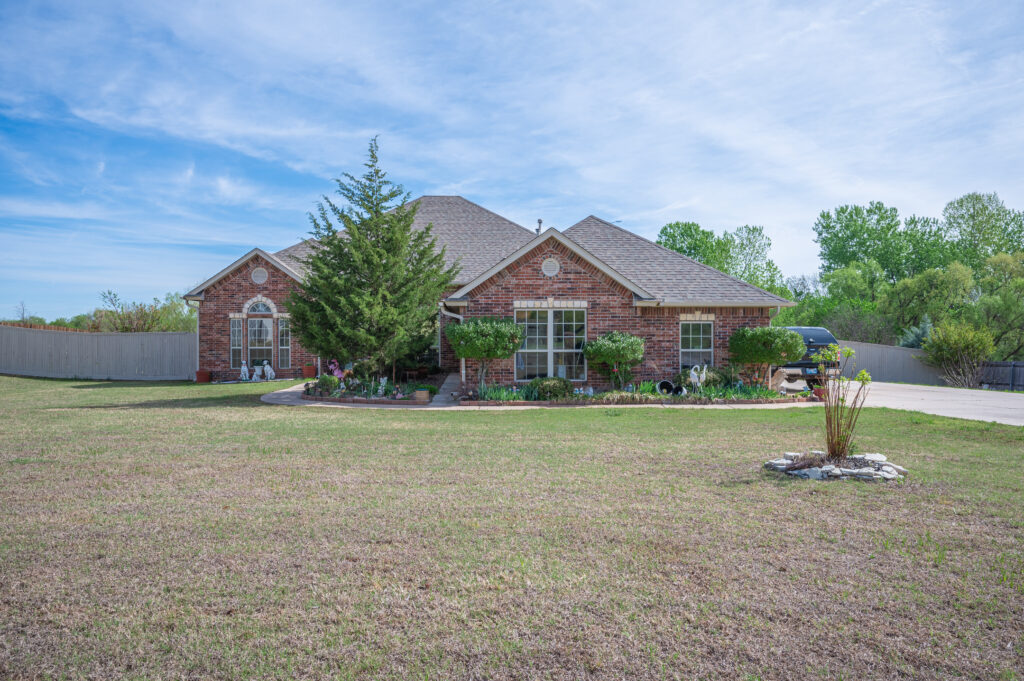
If you’re budgeting for a purchase this year, the biggest question is usually simple: what will I actually need upfront, and what will the payment feel like every month? In Oklahoma City, 2026 is shaping up to be a practical time to buy because prices remain well below the national median, inventory is healthier than it was, and buyers often still have room to negotiate.
Below is a clear, numbers-first guide to estimating cash to close, monthly payments, and the “hidden” costs that can surprise first-time buyers—especially insurance and prepaids.
Why Oklahoma City Buying Costs Matter in 2026
You’re entering one of the most affordable major markets in the country at a moment that favors first-time buyers. As of March 2026, the median home price in Oklahoma City is about $272,000, roughly 38 percent below the national median, and the cost of living is about 19 percent lower than the U.S. average. Homes spend around 57 days on market, and typical sales close about 2 percent below list, giving you time and leverage. Active listings rose sharply year over year, which means more choice and less pressure. With industry forecasts pegging average 2026 mortgage rates near 6.1 percent and local projections calling for roughly 4 percent price growth, your timing could combine reasonable payments with sustainable appreciation.
Buying in Oklahoma City in 2026 typically takes $20,000–$25,000 upfront on a $272,000 home, with monthly payments around $2,050–$2,350, depending on your loan type, taxes, insurance, and mortgage insurance (PMI/FHA MIP).
That’s the “big picture.” Now let’s break down exactly how those numbers happen—and how you can plan your budget confidently
What You Need to Know Before You Buy in Oklahoma City
Before you run numbers, ground yourself in local data and how it impacts cash to close and monthly costs.
- Price anchor: Median sale price sits near $272,000. Price per square foot averages about $156.
- Market tempo: Homes average 57 days on market, with many accepting one offer and selling about 2 percent under list. Hot homes can still go near list in roughly 17 days.
- Inventory: Active supply improved notably, with thousands of listings and a double-digit year-over-year increase as of late 2025, which helps your negotiating power.
- Payments: Forecast 2026 mortgage rates around 6.1 percent. Your monthly payment hinges on rate, taxes, insurance, and mortgage insurance.
- Ongoing costs: Budget for property taxes, homeowners insurance, utilities, maintenance, and potential HOA dues. National data shows $213 per square foot on average versus about $156 locally, so ongoing expenses can also be lighter here.
- Price path: Local forecasts point to roughly 4 percent price appreciation in 2026, indicating stability rather than a spike.
Your options include conventional loans with as little as 3 percent down or FHA with 3.5 percent down. You may also qualify for down payment assistance or mortgage credit certificates through state or local programs. According to Federal Reserve Economic Data and local MLS reports, the current balance of supply and demand makes Oklahoma City a practical entry point for first-time buyers.
How to Compare Your Options in Oklahoma City
Think in terms of total cost of ownership, not just price. Start with three quick scenarios at the median $272,000:
Conventional 3 percent down
– Down payment: $8,160 – Estimated P&I at 6.1 percent: about $1,600 – Taxes and insurance: roughly $480–$520 per month combined, depending on property specifics – PMI: often $120–$170 per month until you reach 20 percent equity – Estimated total monthly: about $2,050–$2,300
FHA 3.5 percent down
– Down payment: $9,520 – P&I similar to slightly higher than conventional due to FHA upfront mortgage insurance being financed – Annual FHA mortgage insurance: about 0.55 percent of the loan, roughly $110–$130 monthly in this price range – Estimated total monthly: about $2,050–$2,300
Conventional 5 percent down
– Down payment: $13,600 – PMI is typically lower than 3 percent down – Estimated total monthly: about $2,000–$2,250
Key factors to evaluate:
Payment trade-offs: A lower down payment preserves cash but increases PMI and may slightly raise the rate.
Property costs: Older homes may have higher maintenance, while newer builds can carry higher HOA dues or lot premiums.
Negotiation levers: A balanced market often supports seller credits for closing costs or a rate buydown, reducing your upfront or monthly burden.
How Much It Costs to Buy a Home in Oklahoma City in 2026: Step-by-Step Cash to Close
Use this sequence to estimate what you’ll actually bring to the closing table.
1) Choose a target price. Start with $272,000 as a benchmark and adjust for your preferred neighborhood and home type. 2) Pick a loan type. Conventional 3–5 percent down or FHA 3.5 percent are common first-time options. Confirm minimum credit scores and debt-to-income limits with your lender. 3) Calculate your down payment.
3 percent down: $8,160
3.5 percent down: $9,520
5 percent down: $13,600
4) Estimate closing costs. Plan on roughly 2.5–3.5 percent of price for title, escrow, lender fees, and recording. At $272,000, this is about $6,800–$9,500. 5) Add prepaids and escrows. Typical setup includes 12 months of homeowners insurance, a few months of property taxes, and prepaid interest. In Oklahoma City, homeowners insurance can be higher than average due to severe weather risk, so budget $2,000–$3,500 annually for insurance and several hundred dollars for initial tax escrows. 6) Include inspections and appraisal. Inspection typically $400–$600, appraisal often $500–$700, plus survey if required. 7) Consider credits. In a somewhat competitive market, many sellers will negotiate. Conventional loans often allow seller credits up to 3 percent with low down payments, while FHA allows more. Lender credits or builder incentives may also reduce your cash to close. 8) Tally it up. For a $272,000 home with 3 percent down, you might see:
Down payment: $8,160
Closing costs: $7,500–$9,000
Prepaids and inspections: $3,000–$4,500
Estimated cash to close: roughly $18,500–$21,500 before any credits
What This Looks Like on the Ground in Oklahoma City
Here’s how local conditions translate to your search and budget.
Price anchors: The median price hovers near $272,000, with price per square foot around $156. That compares favorably to roughly $213 nationally and slightly below the Oklahoma statewide average near the mid-$160s.
Market flow: Homes average about 57 days on market, and typical sales land around 2 percent under list. Hot listings can still move in roughly 17 days near list, especially if turnkey.
Inventory: Active listings increased strongly year over year heading into late 2025, reaching the low-thousands citywide. More options generally mean better negotiating room for repairs, concessions, or rate buydowns.
Neighborhood feel: In areas like Northwest Oklahoma City and the Plaza District, you’ll often trade higher per-square-foot pricing for updated finishes and convenience. In South Oklahoma City and parts of West OKC, you may find larger lots or lower price points, which can reduce both monthly payments and property tax outlay. Downtown-adjacent spots like Bricktown can command premiums tied to lifestyle and walkability.
Insurance reality: Severe weather risk means homeowners premiums are often higher than the U.S. average. Build a realistic estimate into your monthly payment and escrow.
Outlook: Local forecasts suggest roughly 4 percent appreciation in 2026 with average mortgage rates near 6.1 percent. That combination supports manageable ownership costs with modest equity growth.
What Most First-Time Buyers Get Wrong in Oklahoma City
Thinking you need 20 percent down. You can get started with 3–5 percent down on conventional or 3.5 percent on FHA. The trade-off is PMI or mortgage insurance, which you can plan to remove later on conventional loans.
Underestimating insurance. Oklahoma City’s storm risk pushes premiums up. Get a quote early so your monthly payment estimate is accurate.
Ignoring prepaids and escrows. Cash to close includes more than fees. You’ll fund insurance, a few months of taxes, and prepaid interest.
Chasing the “perfect” rate. If forecasts point to rates near 6.1 percent this year, you can buy now and refinance later if rates drop. Waiting for perfection can cost you appreciation or the right home.
Skipping the inspection to “win.” With average days on market near two months, you usually have time to inspect and negotiate rather than waive essential protections.
Frequently Asked Questions
How much cash do you need to buy a home in Oklahoma City in 2026?
Plan on roughly $18,500–$21,500 to buy around the $272,000 median with 3 percent down. That includes the down payment, closing costs, and typical prepaids. Seller or lender credits can reduce this, and assistance programs may cover part of the down payment.
What are typical closing costs for buyers in Oklahoma City?
Buyer closing costs usually run about 2.5–3.5 percent of the purchase price. On a $272,000 home, that’s roughly $6,800–$9,500. This covers lender fees, title, escrow, recording, and sometimes an origination fee. Prepaids for taxes and insurance are in addition to this estimate.
How much are monthly payments on a median-priced Oklahoma City home?
At $272,000 with 3–5 percent down and a 6.1 percent rate, total monthly payments often fall between $2,000 and $2,350. That includes principal and interest, property taxes, homeowners insurance, and mortgage insurance when applicable. HOA dues, if any, would be additional.
Are homes still selling over list price in Oklahoma City?
Typical homes sell about 2 percent below list, according to recent local data. Well-priced, turnkey homes can sell closer to list, and hot listings may go under contract in roughly 17 days. In many cases, you’ll have room to negotiate price or credits.
How long does it take to close in Oklahoma City?
Most closings run 30–45 days from contract to keys. Timelines depend on appraisal scheduling, title work, and loan processing. Pre-approval, quick document responses, and early inspection scheduling help you land on the shorter side of that window.
What credit score do you need to buy in Oklahoma City?
Many conventional programs start around a 620 credit score, while FHA options allow for lower scores with additional conditions. Higher credit generally delivers better rates and lower PMI. Pay down revolving balances and avoid new credit pulls while you’re shopping.
How much are property taxes in Oklahoma City?
Effective property tax rates vary by neighborhood and home value. A practical planning range is roughly 0.8–1.2 percent of assessed value annually. Your lender will escrow taxes monthly, so verify the current tax bill for any property you’re considering before you finalize your budget.
How much is homeowners insurance in Oklahoma City?
Expect higher-than-average premiums due to hail and wind exposure. Many first-time buyers budget roughly $2,000–$3,500 per year for a standard policy, depending on coverage, roof age, and location. Get a quote early, since insurance meaningfully changes your monthly payment.
Can you get seller credits for closing costs in Oklahoma City?
Yes. In a balanced market, it’s common to negotiate seller credits, especially if your inspection reveals repairs or the home has been listed for a while. Conventional loans with low down payments typically allow credits up to 3 percent, while FHA allows more. Confirm caps with your lender.
Should you wait for rates to drop before buying in Oklahoma City?
If you find the right home and your payment fits your budget, buying now can make sense. Forecasts place 2026 rates around 6.1 percent and local prices are projected to rise modestly. You can refinance later if rates fall, but you can’t buy past appreciation or lost options.
The Bottom Line
You can buy in Oklahoma City in 2026 with a realistic, data-driven plan. At a median price near $272,000, expect roughly $18,500–$21,500 to close with 3 percent down, and monthly payments often around $2,000–$2,350 including taxes, insurance, and mortgage insurance. Market conditions are balanced, days on market average about 57, and typical sales close slightly under list. With more inventory, modest price growth expectations, and rate forecasts near 6.1 percent, you’re positioned to secure a home and build equity without overstretching. Get your pre-approval, price your payment, and negotiate credits where you can.
If you’re ready to explore your options for how much it costs to buy a home in Oklahoma City, Daniella Miller at Real Brokerage can walk you through the specifics for your situation.
One response to “How Much It Costs to Buy a Home in Oklahoma City in 2026”
[…] The median home price in Oklahoma City is approximately $259,000, which is essentially flat year-over-year. This figure is significantly below the national median, making OKC one of the most affordable major metros for relocating buyers. Moore comes in even lower at $230,000 to $240,000, while Norman ranges from $256,000 in Southeast Norman to $480,000 in Northwest Norman’s premium neighborhoods. […]