
Repairs and Updates Buyers Should Expect in Norman’s Silk Stocking and Chautauqua
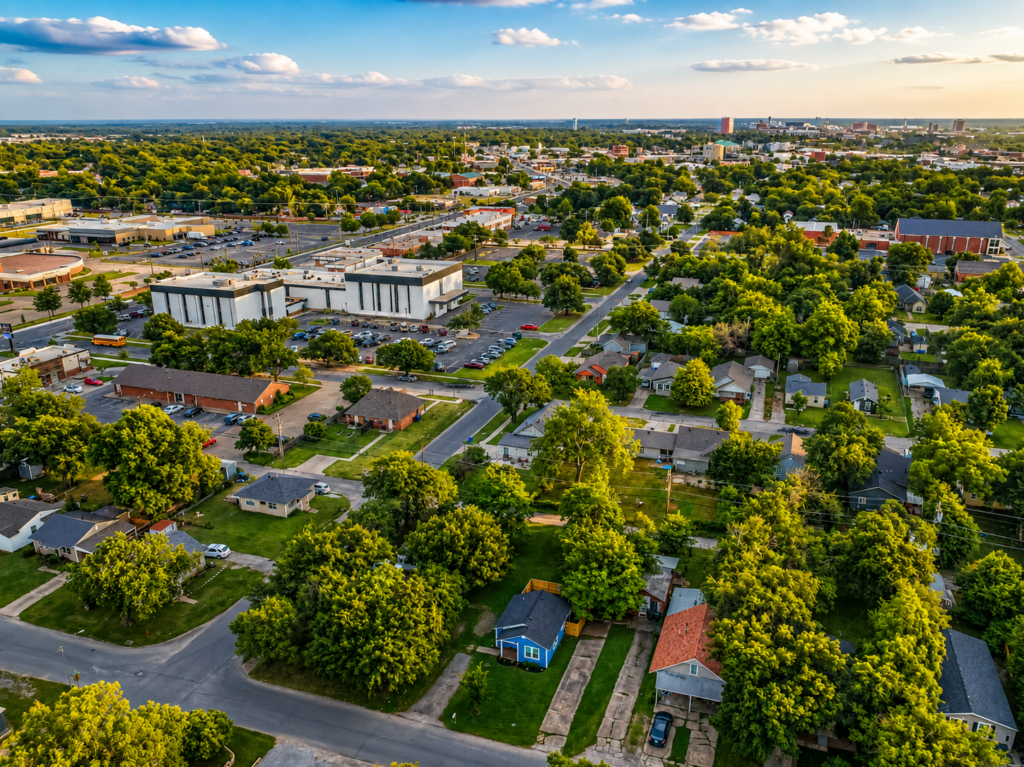
What repairs and updates should you expect when buying an older home in Norman’s Silk Stocking and Chautauqua neighborhoods?
Buyers in Silk Stocking and Chautauqua should expect foundation, electrical, plumbing, HVAC, and roofing repairs on homes built between the early 1900s and 1960s, with costs ranging from minor cosmetic fixes to major system replacements exceeding $15,000.
Why This Matters Right Now in Norman’s Historic Districts
If you’re browsing homes along Classen Boulevard in Silk Stocking or admiring the Tudor revivals on Chautauqua Avenue, you’re looking at some of the most character-filled real estate in all of Oklahoma. These neighborhoods are not just beautiful. They come with the kind of history that makes a home feel irreplaceable. But homes built 80 to 110 years ago also come with systems that may be nearing the end of their useful life.
Norman’s housing inventory has grown 67.6% year-over-year, and the city now sits at 7.3 months of supply. That means you have more breathing room to negotiate repairs and seller concessions than buyers have had in years. With Norman’s median sale price at $281,000 and Old Silk Stocking’s median price around $167,547, these neighborhoods offer genuine value. But only if you understand what’s behind the walls before you close.
I’ve helped clients navigate these exact situations over my 10 years in Oklahoma real estate, and the difference between a smart purchase and an expensive surprise often comes down to knowing which repairs are cosmetic and which could become a financial burden after closing.
Foundation Concerns in Silk Stocking and Chautauqua Homes
Oklahoma’s expansive clay soils are the silent antagonist in every older home purchase. Homes in Silk Stocking, many built between 1940 and 1969, and Chautauqua’s even older properties from the early 1900s through the 1940s, typically sit on pier-and-beam or shallow slab foundations. Seasonal soil expansion and contraction cause these foundations to shift over decades.
Here is what you should look for:
- Settling and shifting that shows up as cracked interior walls, sticking doors, or sloping floors
- Cracked or bowing foundation walls, especially in homes with basements or partial basements
- Pier adjustments or replacement, with costs ranging from $1,500 to $5,000 for minor work and $10,000 to $30,000 or more for major repair
- Drainage corrections around the perimeter to manage water flow
What I tell my clients is this: always get a structural engineer’s inspection on any pre-1950 home in these neighborhoods. It runs about $300 to $500, and it is separate from your general home inspection. One couple I worked with fell in love with a Craftsman bungalow near Webster Avenue in Silk Stocking. The general inspector flagged some wall cracks, but it was the structural engineer who identified pier settling that would have cost over $18,000 to repair. Armed with that information, we negotiated a significant seller concession that covered the fix. That is the difference between walking in prepared and walking into a surprise.
Electrical and Plumbing Systems You Will Need to Evaluate in Norman
These are two of the most expensive categories of repair in older Silk Stocking and Chautauqua homes, and they are also the ones most buyers underestimate.
Electrical Realities
Many homes in these neighborhoods were built with knob-and-tube wiring (pre-1940s) or cloth-insulated wiring that deteriorates over time. You may also find 60-amp electrical panels that simply cannot handle modern appliance loads and ungrounded two-prong outlets throughout. Full rewiring of a 1,200 to 1,800 square foot home typically costs $8,000 to $15,000, while a panel upgrade to 100 or 200 amps runs $1,500 to $3,000. The critical thing to understand: knob-and-tube wiring is uninsurable with many carriers, so this is not optional.
Plumbing Realities
Galvanized steel pipes that corrode internally, cast iron drain lines that can collapse, and Orangeburg sewer lines prone to root intrusion are all common in homes of this era. A full re-pipe of supply lines runs $4,000 to $10,000, and sewer line replacement to the street can cost $3,000 to $8,000.
So how do you sort through all of this without panicking? Having closed over 152 transactions in the Norman, Moore, and Oklahoma City metro area, I can tell you that the key is separating the cosmetic issues from the structural and safety concerns. Peeling paint in a hallway is cosmetic. Galvanized pipes with 30% reduced water pressure are not.
Roofing and HVAC Challenges Specific to Norman, Oklahoma
Oklahoma experiences an average of 62 tornadoes annually, with peak season running from April through June. That weather reality hits roofs hard, and homes in Silk Stocking and Chautauqua are no exception.
What You Will Find on the Roof
Multiple layers of shingles stacked over decades (code typically allows a maximum of two layers)
Original wood shake or slate on some Chautauqua homes that requires specialized repair
Deteriorated flashing around chimneys and dormers
Inadequate attic ventilation
Full roof replacement with architectural shingles runs $8,000 to $15,000 for a typical bungalow. I recommend impact-resistant shingles to all my Norman buyers, which add a 15% to 25% premium but can earn insurance discounts that offset the cost over time.
HVAC Surprises
Many of these older homes were originally heated with floor furnaces or radiator systems and had no air conditioning at all. If central HVAC with ductwork has not already been installed, you are looking at $8,000 to $15,000 for a new system. Ductwork routing in homes that were never designed for forced air can be particularly challenging. And here is something most buyers do not think about: old duct insulation or pipe wrap may contain asbestos, with abatement running $1,500 to $5,000 or more.
A recent buyer I worked with near Griffin Community Park in the Silk Stocking area was surprised to discover that the home’s “updated HVAC” was actually a 20-year-old system with ductwork run through the attic with no insulation. We requested a full HVAC inspection before closing and used the findings to negotiate $6,000 in seller credits. That client is now comfortable in their home and did not have to dip into emergency savings three months after moving in.
Historic Preservation Rules Buyers Must Know in Chautauqua
Here is something that catches many buyers off guard: the Chautauqua Historic District is listed on the National Register of Historic Places. That designation comes with guidelines that can affect what exterior modifications you can make, including window replacement.
If you are considering replacing original single-pane wood-frame windows (which are beautiful but energy-inefficient), know your options:
Restoration of original windows plus storm windows: $200 to $500 per window, which preserves historic character
Full replacement with energy-efficient windows: $500 to $1,200 per window, but may require approval from the City of Norman’s Historic Preservation Commission
In 2017, Silk Stocking residents helped create the Central Norman Zoning Overlay District (CNZOD) to protect the unique character of central Norman’s residential neighborhoods. This is excellent for preserving property values, but it means you need to plan renovations carefully.
Lead paint is virtually guaranteed on homes built before 1978 in both neighborhoods. Professional testing runs $300 to $600 for a comprehensive lead and asbestos survey. With homes in Chautauqua’s University sub-market listing at a median of $599,000, these are not corners you want to cut.
How to Protect Yourself as a Buyer in Silk Stocking or Chautauqua
One of the biggest surprises for buyers is that well-maintained homes in Silk Stocking do not always stay on the market long. Even with Norman’s inventory growing, the most desirable properties in these historic neighborhoods generate strong interest quickly. I encourage all my clients to get fully pre-approved before touring homes and to have their inspection team ready to go.
Here is your action plan:
Get pre-approved first. Not pre-qualified. Pre-approved. With mortgage rates currently around 6.58%, locking in your rate early matters.
Budget for a structural engineer’s inspection ($300 to $500) in addition to your general home inspection
Request a sewer scope on any pre-1960 home ($150 to $300)
Understand seller concessions are available. Data shows that Oklahoma sellers are still helping buyers with closing costs and repair credits.
Know the difference between cosmetic and structural. Outdated wallpaper is your weekend project. Corroded galvanized pipes are your emergency fund.
Rated 5 out of 5 stars by my past clients and recognized as a Top 500 Real Producer, I have seen what happens when buyers skip these steps. And I have seen the confidence that comes from walking into a historic home with your eyes wide open.
Frequently Asked Questions About Older Homes in Norman’s Silk Stocking and Chautauqua
How old are most homes in Silk Stocking and Chautauqua?
Most homes in Silk Stocking were built between 1940 and 1969, while Chautauqua features homes primarily from the early 1900s through the 1940s. Architectural styles include Craftsman bungalows, Tudor Revival, Colonial Revival, and Prairie-style homes. This age range means systems are often 60 to 100 years old and may need significant updating.
What is the biggest hidden cost in these older Norman homes?
Foundation repair is typically the most expensive surprise, with major work costing $10,000 to $30,000 or more due to Oklahoma’s expansive clay soils. I always recommend a structural engineer’s inspection beyond the standard general inspection to catch these issues before closing.
Are homes in Silk Stocking a good value compared to the rest of Norman?
Old Silk Stocking’s median price is approximately $167,547 compared to Norman’s city-wide median of $281,000. Norman’s median sale price is also 35% lower than the national average, making these historic homes an exceptional value for buyers who are prepared for potential repairs.
Do I need special permission to renovate a Chautauqua home?
Yes, Chautauqua is on the National Register of Historic Places. Exterior modifications, including window replacement and siding changes, may be subject to review by the City of Norman’s Historic Preservation Commission. Always check before starting work.
How much does rewiring an older home in Norman cost?
Full rewiring of a 1,200 to 1,800 square foot home in Silk Stocking or Chautauqua typically costs $8,000 to $15,000. Panel upgrades run $1,500 to $3,000. If knob-and-tube wiring is present, replacement is essentially mandatory because many insurance carriers will not cover homes with this wiring.
Should I worry about lead paint and asbestos?
You should plan for it. Lead paint is virtually guaranteed in pre-1978 homes, and asbestos may be present in floor tiles, pipe insulation, and textured ceilings. Professional testing runs $300 to $600 and gives you a clear picture before you commit.
Can I negotiate repair costs with the seller in Norman right now?
Absolutely. Norman’s inventory has grown to 7.3 months of supply (up from 4.5 last year), and seller concessions are a documented trend in the Oklahoma market. This buyer-friendly environment makes repair negotiations more realistic than they have been in years.
What schools serve the Silk Stocking neighborhood?
McKinley Elementary School earns a 9 out of 10 rating, Alcott Middle School rates 5 out of 10, and Norman High School rates 7 out of 10. All are within the Norman School District and serve the Silk Stocking area.
How long do well-maintained homes in these neighborhoods stay on the market?
In my experience, well-maintained homes in Silk Stocking and Chautauqua can move quickly despite the broader market slowdown. Getting fully pre-approved before touring is essential to being competitive when the right home comes along.
Is it better to buy a fully renovated older home or one that needs updates?
This depends on your budget and timeline. A fully renovated home will cost more upfront but eliminates repair uncertainty. A home needing updates may offer a lower purchase price, but you should budget $20,000 to $50,000 or more for comprehensive system upgrades on the oldest properties.
The Bottom Line – Repairs and Updates Buyers Should Expect in Norman’s Silk Stocking and Chautauqua
These two Norman neighborhoods offer something you simply cannot replicate in new construction: mature tree canopies, Craftsman porches, walkability to downtown Norman and the Porter Avenue corridor, and proximity to Griffin Community Park’s 84 acres of green space. The homes here have stories embedded in their bones.
But buying a home with history means respecting what that history brings. Know your foundation. Inspect your systems. Budget for the repairs that matter. And work with someone who has walked through these houses hundreds of times and knows what to look for.
If you are considering a move into Silk Stocking, Chautauqua, or anywhere in the Norman, Moore, and Oklahoma City metro area, I would love to help you navigate the process. I am Daniella Miller with Real Brokerage, and you can reach me at 405-413-9802. Let’s find you a home with character, and make sure the surprises are only the good kind.
Buyers exploring the area can learn more in our Norman real estate guide.